
Deciding how to play casoocassino app para android on your phone comes down to two solid choices — the dedicated app or the web browser. Both unlock the complete game collection, your account management, and all promotions, but they do it in somewhat varied ways. The app gives you an interface optimized for touchscreens, navigation that runs without issues, and direct integrations into your device that a browser simply cannot provide. The mobile site, conversely, requires no storage, no setup, and operates on any modern smartphone no matter what OS version you’re running. If you prefer to dive in right now, the browser gets you going. If you favor a tighter, more sleek feel with a possible benefit in speed, the app presents a strong argument. The variations in how they function, how they manage security, and how they keep you updated all count when you’re picking the style that fits the way you game. Let’s examine what separates them so you can decide with certainty.
Navigation Layout and Exploration Journey
The Casoo app’s interface is designed specifically for mobile — touch targets are sized right, gestures function as you’d expect, and the screens flow seamlessly regardless of device orientation. Menus slide in and out of expandable drawers, game tiles resize on their own, and the whole layout stays consistent across different display sizes. Switching between the casino lobby, live dealer area, promos, and the cashier is a single tap on the icon bar anchored at the bottom of the screen. That navigation bar persists during most actions, so you spend less brain power finding your way. The app also saves parts of the interface locally, which means screen changes seem instantaneous and don’t wait on a server response for every tap. The mobile browser version is fully responsive and appears tidy, but it has to handle the browser’s own frame — the address bar, tab buttons, and menus take up the screen until you manually go fullscreen. Scrolling can feel a touch different depending on which browser engine you’re using, and if you step away from the tab for a while, it may reload when you come back. Still, all features are visible. Every feature from the desktop platform is there, and you won’t be missing just because you avoided the install.
Game Collection Access and Device Support
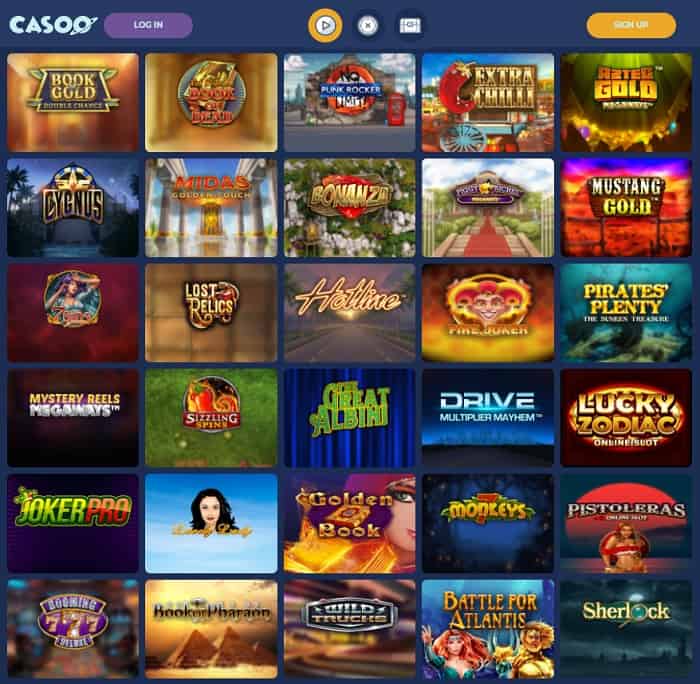
The complete Casoo game catalog is accessible to you if you open the app or load the mobile site. Slot machines, table games, live dealer streams, instant-win titles — they all run on HTML5 and adapt to fit your screen without any fuss. The app adds a few small benefits. Tailored game suggestions use preference data stored locally, and your recently played list remains even after a restart. Sorting tools snap into action faster because the app stores the index of categories and providers, so filtering through hundreds of titles is speedy. The mobile browser offsets its stateless setup by fetching server-side personalization once you log in. Preferred games and recently touched games appear front and center without needing local storage. Live dealer games deserve special attention because their adaptive bitrate streaming modifies video quality on the fly based on your connection speed. That works exactly the same through both channels, giving you smooth playback at the right resolution. Table games with complex betting grids and multiple action spots are meticulously optimized for touch, with buttons spaced to avoid fat-finger mistakes during fast rounds. Whichever way you play, you get the same games, the same quality, and the same experience across the entire library.
Download and Setup Procedures
Obtaining the Casoo app onto your handset is far like using the mobile site, and a few simple steps are important knowing to stay safe. You begin by visiting the official Casoo website directly from your device. The site spots your operating system and directs you to the right installation file. Android users must to flip a security setting to enable installs from unknown sources — this is typical for real-money gaming apps that sit outside the Google Play Store. Once the APK downloads, the installation wizard takes over and concludes in under a minute if your connection is good. After that, a Casoo icon lands on your home screen, ready for next time. iOS users enjoy an even smoother ride: the app usually becomes available through Apple’s App Store or as a configuration profile that integrates neatly into the Apple ecosystem. Avoid the app, and you bypass all of this. With the mobile browser, you input the Casoo URL, sign in, and you’re active. There are no updates to pursue, no storage warnings to dismiss, and no compatibility checks to worry about. For casual gaming or if you move between different phones and tablets, the browser is as easy as it gets.
Performance and Page Load Evaluation
Speed is where the app and browser really start to pull apart. The application comes with a significant part of its images, game sections, and essential parts installed during installation. That means launch times are around two to three seconds on a mid-range device, and jumping between cached sections is almost instant. Game loading gets another enhancement from stored shared libraries — slot mechanics and animation frameworks stick around, so once you load one game from a supplier, the next ones from that same developer load quicker. You observe this most when you are trying a number of games in one go. The mobile app also manages data differently, using lean API calls and saving bandwidth for the real game streams instead of re-sending UI elements. The browser does a decent job on a steady connection, loading games through HTML5 that adapts to your screen size and hardware. A new page load might take five to eight seconds, according to network quality, because the web browser grabs style files and scripts from the backend each time. But current caching closes a lot of that discrepancy during a single session. If your handset is more dated or your connection is inconsistent, the speed difference between app and mobile browser becomes more noticeable — the native app tends to be more responsive.
Storage Requirements and Device Resource Management
The storage footprint of each choice and its impact on your phone’s resources are important factors to consider. The Casoo app begins by using approximately 80 to 150 megabytes. That’s reasonable by today’s app standards, but it will increase as game assets build up in the cache. If you engage bloomberg.com with a broad mix of slots and live tables, you might see the app’s storage swell over weeks of regular use. The platform often has a cache-clearing tool in its settings so you can reclaim space when needed. Background activity is negligible when you’re not playing, so battery drain is insignificant. During actual gameplay, the app and the browser both engage the graphics processor and maintain the network connection, so battery life is similarly affected either way. The mobile browser creates no lasting impact beyond what the browser itself temporarily caches. If you’re watching your device storage or like to keep your app list minimal, that’s a genuine benefit. The trade-off is that each new session downloads interface elements again. With modern connection speeds, you’ll scarcely notice. Neither the app nor the browser burdens RAM or processor in any extraordinary way. Casoo designs its platform to function well on a range of common devices, not just top-tier flagships.
Security Measures and Account Protection
Casoo prioritizes security on both fronts, but the protections are integrated a little differently, and some points might matter to you. The app utilizes pinned SSL certificates to protect its connection. That indicates it checks the server’s identity against a locally stored value rather than just relying on your device’s certificate store, which blocks certain interception tricks that could slip past a browser on a compromised network. Biometric login is another app-only perk. If your phone has fingerprint or face recognition, you can enable it to open the app swiftly without typing your password every time. This convenience actually prompts you to use a long, unique password because you won’t have to re-enter it constantly. The app also keeps its data sandboxed away from other apps, so casual data leaks through shared caches pose no problem. The mobile browser leans on the security muscle built into your browser itself — automatic updates, sandboxing, and phishing filters. Session management through the browser uses cookies, and the casino’s security policy may sign you out after a while. That periodic re-authentication functions as a safety net if you step away from your phone or let someone else use your device, making it harder for someone else to slip into your account.
Push Notifications and Real-Time Updates
Notification alerts are the one area where the app offers something the mobile browser simply can’t compete with. Once you allow access during setup, the app can push updates for limited-time offers, event countdowns, bonus expiration alerts, and custom deals tied to how you play. These land in your phone’s notification center, where you can sort them, assign importance, and expand for more detail with a long press. You remain in charge of which notification types remain enabled and can disable the ones you dislike, so your lock screen isn’t transformed into a spam zone while you still get the important notifications. Real-time dealer alerts are a favorite — you can reserve a spot at an upcoming table and get a ping right before it starts. The browser cannot provide this. Browser notifications are unreliable on mobile devices and usually disabled automatically. Without the app, you’ll must look at the promotions page yourself or rely on email to know about limited-time deals. This alone convinces plenty of regular players to install the app, because skipping deals month after month can slowly increase. Both the app and the browser maintain session balances and updates updated instantly with your account, so your money and play history are always accurate no matter which path you take.
At the end of the day, whether you stick with the Casoo app or the mobile browser depends on what you value most — raw convenience, speed, or how deep you want the experience to go. The app provides you with a slick interface, push alerts, biometric security, and faster loads in exchange for a modest chunk of storage. The browser counters with instant access, no storage hit, and the freedom to move between devices without a second thought. Neither path cuts corners on the core experience: you get the full game lineup, safe transactions, and responsive support. A lot of players realize that keeping both options works best — the app for daily play, and the browser for quick sessions on a friend’s device or when storage gets tight for a while.